How to Reheat Drunken Noodles Without Ruining the Texture
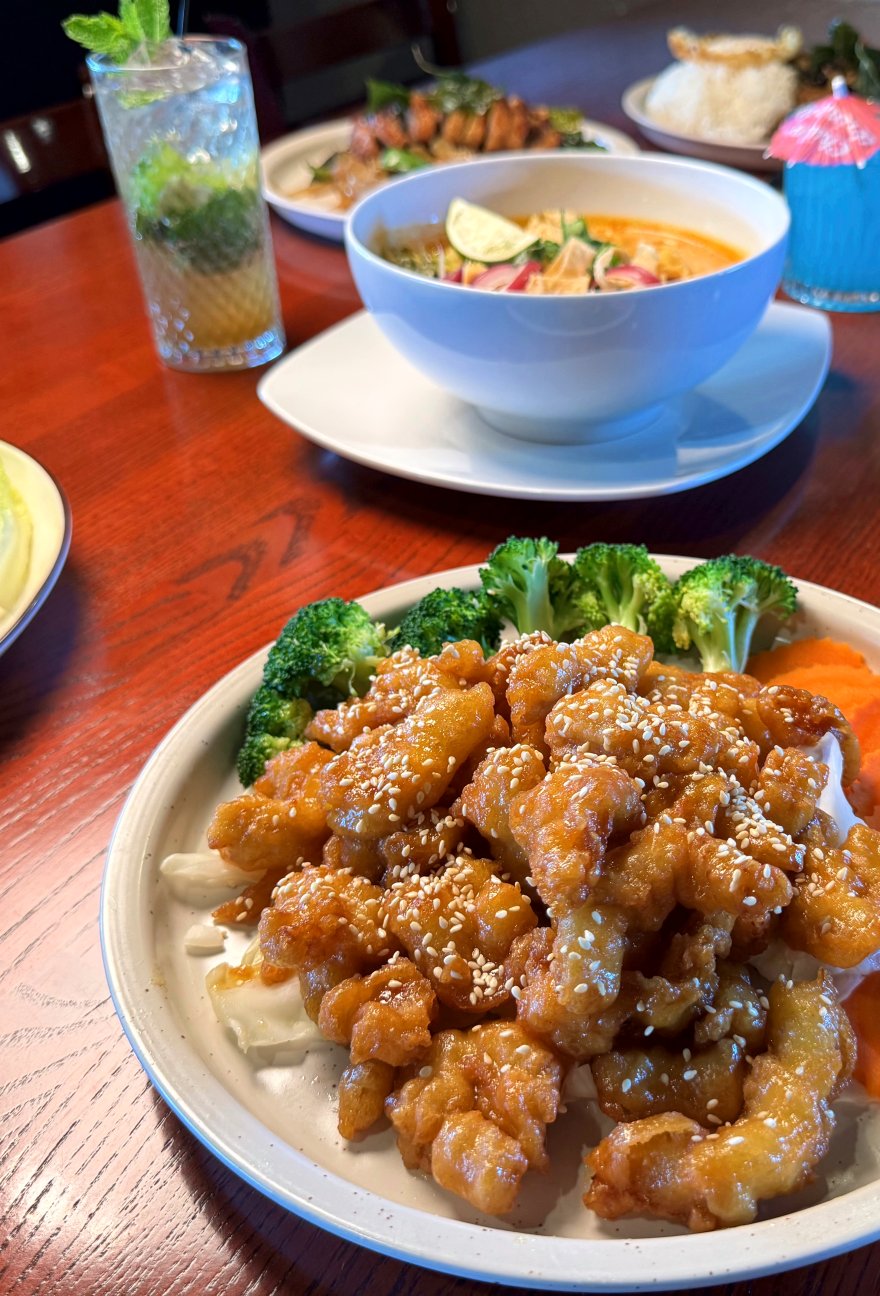
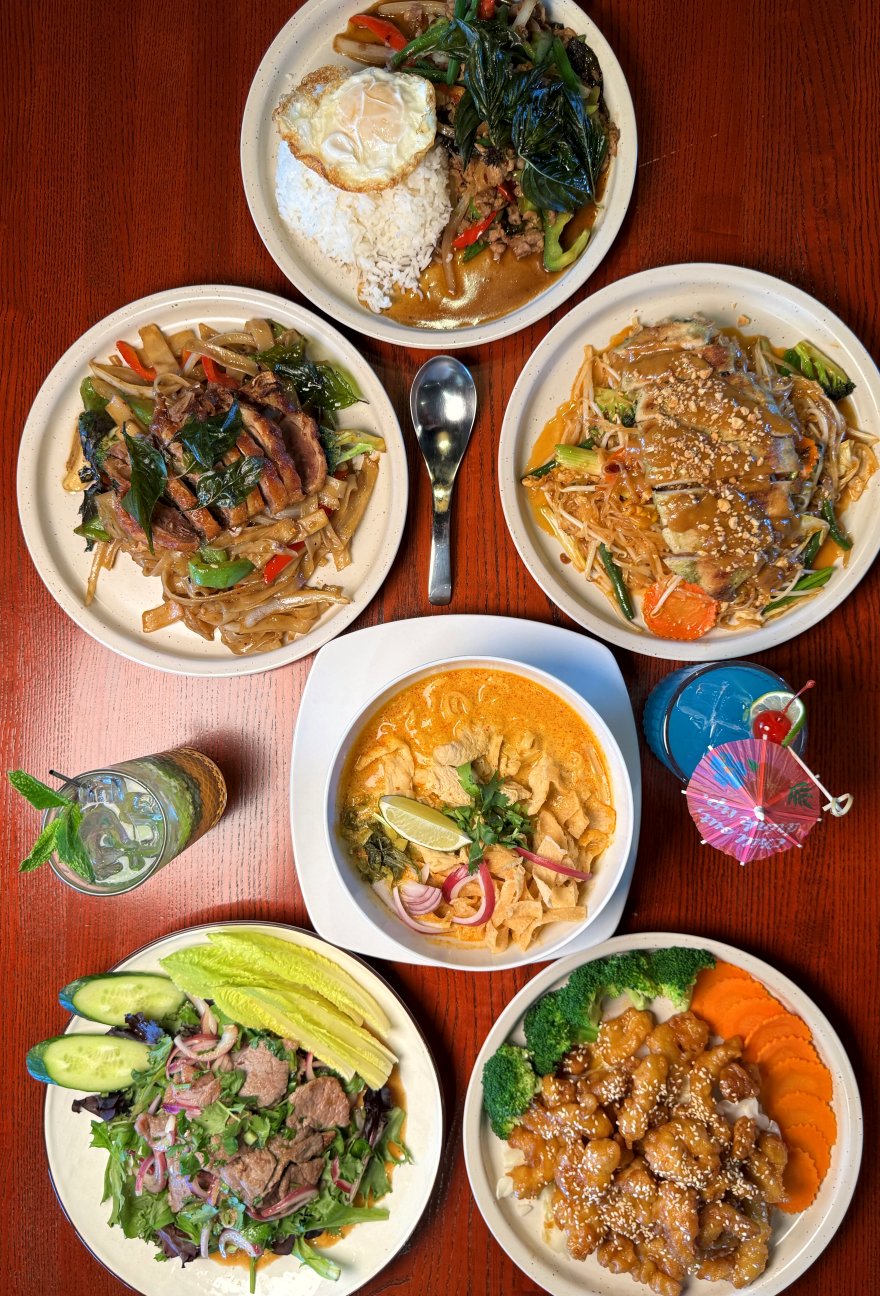

Drunken Noodles are one of those dishes that can feel almost perfect when they hit the table, then oddly disappointing the next day if you warm them carelessly. Fresh from the wok, the noodles are glossy and springy, the sauce clings instead of pooling, the vegetables still have some snap, and the basil carries its perfume through the steam. Leftovers can still be very good, but only if you treat them like cooked rice noodles and stir-fried aromatics, not like a casserole.
That distinction matters. Drunken Noodles, often made with wide rice noodles, behave differently from wheat pasta. Rice noodles can turn brittle when cold, gummy when oversteamed, and mushy if they sit too long in liquid. The sauce, usually a mix of soy-based seasoning, sugar, chile, and savory depth, tends to tighten and concentrate in the refrigerator. Protein, especially chicken or shrimp, can go from tender to dry in a minute. Basil darkens. Vegetables soften. Reheating is not just about getting the dish hot. It is about restoring enough moisture and heat to make the noodles supple again without pushing everything else past the point of no return.
I have reheated a lot of noodle dishes over the years, at home and in professional kitchens, and Drunken Noodles are one of the easiest to mishandle. The good news is that they are also very salvageable. If you understand what the cold noodles need, you can get close to the original texture, sometimes closer than you would expect.
Why leftovers go wrong so quickly
The first problem is starch. Rice noodles firm up in the fridge as their starches retrograde, which is a technical way of saying they lose that just-cooked softness and become more rigid. When you blast them with dry heat, the outside can get hot while the center stays stiff. When you drench them with too much water, they soften unevenly and can split or turn pasty.
The second problem is the sauce. Drunken Noodles are usually coated rather than swimming. Overnight, that coating thickens and settles into the noodles. Some parts become intensely seasoned, others dry out. If the leftovers were packed while still very hot, trapped steam may have continued softening the vegetables and noodles in the container, so by the next day you are starting with a dish that is both dry and slightly overcooked at the same time.
The third issue is ingredient variety. A bite might contain noodles, egg, onions, peppers, basil, and slices of beef or chicken. None of those ingredients want exactly the same reheating treatment. The noodles need a touch of moisture. The vegetables need restraint. The protein wants gentle heat. The basil has already done most of its work. So the goal is compromise, not perfection.
The best method for most people: stovetop reheating
If you have access to a pan, this is the method that gives the best balance of texture and control. It is also the closest to how the dish was originally cooked, which matters more than people think. A microwave can heat, but a pan can reawaken.
Start with a wide skillet or sauté pan over medium heat. Nonstick is useful here because cold rice noodles love to cling when they first hit the pan, but a well-seasoned carbon steel pan works too. Let the pan warm before adding anything. Then add a very small amount of oil, usually no more than a teaspoon for a single serving. You are not frying the leftovers. You are giving the noodles a thin film so they loosen and gloss instead of seizing.
Add the Drunken Noodles to the pan and do not stir aggressively right away. Let them sit for 20 to 30 seconds so the bottom warms. Then begin lifting and turning with tongs or a spatula. If the noodles are clumped, resist the urge to tear them apart cold. Give them a little time. As they warm, they will separate more willingly.
Now add moisture, but do it sparingly. For one serving, a tablespoon of water is often enough to start. Sometimes I use a teaspoon of water plus a teaspoon of sauce if I have a little extra from the https://cesarboso111.quillnesty.com/posts/drunken-noodles-recipe-with-beef-and-bell-peppers original takeout container. If you only have the noodles, plain water is fine. The point is not to make the dish wet. It is to create just enough steam in the pan to soften the rice noodles from the inside.
Cover the pan for 20 to 40 seconds if the noodles are especially stiff. Then uncover and toss. You should see the clumps begin to relax and the surface become glossy again. If needed, add another small splash of water. Small splash is the key phrase. Once rice noodles absorb too much liquid, there is no graceful path back.
After two to four minutes, depending on portion size and how cold the food was, check the center of the pile. The noodles should be hot and pliable, not rubbery at the edges and cold in the middle. Taste one. If it feels thick and slightly hard at the center, give it another short covered burst with a teaspoon more water. If it tastes fully hot but the sauce feels too heavy or salty, a few drops of water and another toss often bring it back into balance.
This method works especially well for leftovers that have become compacted in the container. A pan allows you to gradually tease them apart while preserving the chew that makes Drunken Noodles satisfying.
The microwave method that actually works
People love to declare that microwaves ruin noodles. That is too broad. A microwave ruins noodles when you use it lazily. Used carefully, it can give respectable results, especially for a lunch at work or a quick meal at home.
The mistake is running the container on high for two or three straight minutes. That creates hot, overcooked edges and a stubbornly cool center. The better approach is gentler and more deliberate.
Transfer the Drunken Noodles to a microwave-safe bowl or plate with some room for tossing. Sprinkle on a little water, usually one to two teaspoons per serving. If the noodles look very dry, add a few more drops, not a flood. Cover the bowl loosely with a microwave-safe lid or a damp paper towel. Then heat at medium power or about 70 percent in short bursts, around 30 seconds at a time.
After each burst, lift and turn the noodles from the outside toward the center. This matters because microwaves tend to heat unevenly. By moving the warmer noodles inward and the cooler noodles outward, you even out the process. Usually, a single serving needs 60 to 90 seconds total, sometimes a little more if it came straight from a cold refrigerator and is densely packed.
The texture will not be quite as lively as a stovetop reheat, but it can be surprisingly close if you stop the moment the noodles are hot. Overheating is what turns them soft, sticky, and tired. If the protein still feels slightly cooler than the noodles, let the dish stand covered for 30 seconds. Resting heat often finishes the job without forcing the noodles further.
When the oven makes sense, and when it does not
An oven is rarely my first choice for Drunken Noodles. It heats too slowly for noodles that are already vulnerable to drying out, and the broad dry environment is not kind to basil, egg, or thin slices of meat. That said, an oven can work for a large portion if you are reheating enough for two or three people and do not want to stand over the stove.
The trick is to treat the noodles almost like a covered braise, not an open bake. Put them in a shallow baking dish, add a few spoonfuls of water around the edges, cover tightly with foil, and warm at a moderate temperature, around 325°F. Check after about 10 minutes and stir gently. If the center is still cold, recover and continue in short increments. Remove the foil at the end only if you need a minute to evaporate excess surface moisture.
This is a functional method, not the one that gives the best texture. For a single serving, the stove or microwave wins every time.
A quick guide to which method to choose
- Use the stovetop if you want the best texture and can spare five minutes.
- Use the microwave if speed matters and you can heat in short intervals.
- Use the oven only for larger portions that need gentle, covered reheating.
- Skip the air fryer, it dries rice noodles too fast and tends to toughen exposed edges.
- If the leftovers seem extremely dry, the pan method gives you the most control.
The small adjustments that make a big difference
The difference between acceptable leftovers and good leftovers often comes down to details that seem minor. One is container size. If the noodles were crammed into a small takeout box, they probably formed a dense block. Dense blocks need more turning and a touch more moisture. If they were stored in a shallow container, they usually reheat more evenly.
Another detail is whether the original dish was sauce-heavy. Some restaurants make Drunken Noodles with a deep, glossy coating that keeps well overnight. Others cook them drier, with more char and less residual sauce. The drier versions are more likely to need extra water when reheating. The saucier ones may only need loosening, not added liquid.
Protein matters too. Shrimp reheats faster than chicken. Thin beef can overcook in moments. Tofu usually reheats well, though its edges may soften further. If you have large pieces of protein and are serious about texture, you can pull them to the side of the pan for the first minute, focus on loosening the noodles, then fold the protein back in to warm through gently. It sounds fussy, but on a mixed noodle dish, this sort of judgment pays off.
Then there is basil, the soul of the dish and also its most fragile element. Refrigerated Thai basil loses aroma quickly. Reheating will not bring that perfume back. If you happen to have fresh basil at home, adding a few torn leaves at the very end can revive the character of the dish more than any extra sauce. Not everyone keeps Thai basil on hand, of course, and sweet basil is not identical, but even a little fresh herb can brighten leftovers that otherwise taste flat.
What not to do
Most bad reheats come from one of a handful of habits. People add too much liquid, they heat too long, or they try to force the noodles apart before the starch loosens. They also tend to underestimate carryover heat. Drunken Noodles continue softening for a short time after reheating, especially if covered.
Here are the mistakes worth avoiding:
- Do not pour in soy sauce at the start unless the dish truly tastes underseasoned, it usually needs moisture before it needs more salt.
- Do not heat on high from beginning to end, whether on the stove or in the microwave.
- Do not chop and mash at cold noodle clumps, warm them first so they separate naturally.
- Do not leave the dish covered for several minutes after it is hot, trapped steam can push the noodles from supple to mushy.
- Do not expect basil and crisp vegetables to return to day-one freshness, aim for balance, not a perfect rewind.
If the noodles are already too soft
Sometimes the problem is not dryness. Some Drunken Noodles come home from takeout already a little overdone because they steamed in the container during the drive. Reheating those requires a different approach. Extra water will make things worse.
In that case, use a hot skillet with just a trace of oil and no added liquid at first. Spread the noodles out as much as possible and warm them quickly, turning only enough to prevent sticking. The goal is to evaporate some surface moisture and tighten the sauce slightly. You are not trying to crisp the noodles all over, just to restore a little edge and definition. If the pan seems too dry and sticking starts, add only a few drops of water, literally drops, or a teaspoon of sauce if available.
This is one of those situations where restraint matters more than technique. Overhandled soft noodles break. Quick heat and a light touch are the fix.
If the noodles are dry, clumped, and stuck together
This is the more common leftovers problem, especially after a full night in the refrigerator. Wide rice noodles can compress into a solid mass that feels hopelessly glued together. It is not hopeless. It just needs steam and patience.
On the stovetop, start lower than you think, around medium or even medium-low if your burner runs hot. Add the noodles, then add that first spoonful of water around the edges of the pan rather than directly on top. Cover briefly. The steam works its way upward and softens the clump without creating wet spots. After 30 seconds, lift at the edges with tongs. You will usually feel the block beginning to release in layers. Keep turning those layers inward. Another small spoonful of water may be needed for a compact restaurant-size serving, but stay measured.
In the microwave, place the clump in a wider bowl if possible, sprinkle water over several points rather than one spot, and rotate or stir between short bursts. If you blast a dense cold block without interruption, the outside turns gummy before the center even loosens.
How food safety fits into the picture
Reheating texture gets most of the attention, but safety matters too. Leftover Drunken Noodles should go into the refrigerator within about two hours of cooking or delivery, sooner if the room is warm. They are best within three to four days. If they smell sour, look slimy, or have been sitting out too long, reheating is not the answer.
When warming leftovers, aim to get them hot throughout, not merely lukewarm in patches. This is especially important with chicken, shrimp, or egg in the dish. You do not need to scorch it, but the center should be steaming hot, and the protein should not feel cool when you bite into it. With rice noodles, the challenge is reaching that safe heat without wrecking the texture, which is why the short-interval methods work so well.
Can you improve leftover Drunken Noodles beyond reheating?
Sometimes yes. Leftovers do not have to be a pure restoration project. They can be tuned up.
A squeeze of lime at the end can sharpen flavors that feel muddy from refrigeration. A few fresh basil leaves help if you have them. A small spoonful of water mixed with a drop of fish sauce can revive savory depth better than dumping in more soy sauce. If you like heat, fresh sliced chile or a little chili crisp can wake up a portion that tastes dulled after a night in the fridge.
I have even rescued underwhelming leftovers by adding a handful of bean sprouts in the pan during the last 20 seconds of reheating. They warm just enough to soften slightly but still contribute crunch, which offsets the inevitable softness of day-old noodles. That is not a standard repair everyone will want to do, but it is a good example of thinking about contrast instead of chasing impossible freshness.
The best way to store them in the first place
Good reheating starts before the food gets cold. If you know you will have leftovers, let the dish cool slightly before sealing it, but do not leave it out for hours. Transfer it to a shallow container if possible. This helps it cool faster and prevents the steaming, compacted block that forms in a deep takeout box.
If the restaurant packed extra sauce separately, keep it separate. If you made the Drunken Noodles at home and expect leftovers, reserve a spoonful or two of sauce before serving. That little reserve can be more useful the next day than adding random condiments later.
Portioning helps too. One large container of tightly packed noodles reheats less evenly than two smaller ones. It is a tiny act of foresight that saves texture later.
A practical reheating routine for one serving
When I reheat a single serving of Drunken Noodles at home, I usually do the same thing. I take the noodles out of the fridge while I heat a skillet, not long enough to warm significantly, just enough to lose the refrigerator chill on the surface. I add a teaspoon of oil, then the noodles. I let them sit briefly, toss, add a tablespoon of water, cover for 30 seconds, and toss again. If they still look tight, I add one more teaspoon of water. Total time is usually about three minutes. If I have lime, I squeeze a little over the top. If I have fresh basil, even better.
That routine is fast enough for a weekday lunch and reliable enough that I rarely bother with any other method unless I am at the office. It also respects the dish for what it is. Drunken Noodles are stir-fried noodles, not baked pasta, not soup, not something that likes prolonged heat. Quick, moist, controlled reheating is the entire game.
Get that right, and the leftovers keep their chew, the sauce stays glossy, and the dish still tastes like itself. Not identical to the first night, because no leftover noodle dish ever is, but fully worth eating, which is the standard that matters.
Nakhon Luang Thai Kitchen
Address: 805 Village Center Dr, Colorado Springs, CO 80919
Phone number: +17195315175
FAQ About Drunken Noodles
What makes it drunken noodles?
Drunken noodles, or Pad Kee Mao, get their name from the Thai word khi mao (meaning "drunkard"). They contain no alcohol. The name comes from the idea that the dish is a popular late-night meal to cure a hangover or a great food to eat with a cold beer.
What is the difference between pad see ew and drunken noodles?
While both Pad See Ew and Drunken Noodles use the same wide rice noodles, Pad See Ew is a mild, sweet-savory dish made with dark soy sauce and Chinese broccoli, whereas Drunken Noodles (Pad Kee Mao) are fiery, garlicky, and herbaceous with fresh chilies and Thai basil.
What are traditional drunken noodles?
Traditional drunken noodles, known as Pad Kee Mao in Thai, are a fiery, savory street food stir-fry made with wide flat rice noodles, fresh garlic, lots of hot chilies, meat or tofu, and fragrant holy basil. Despite the name, they contain no alcohol; the dish is traditionally eaten late at night or as a hangover cure because the intense spice helps clear the head.