How an Irish Pub NYC Setting Creates the Perfect Night Out

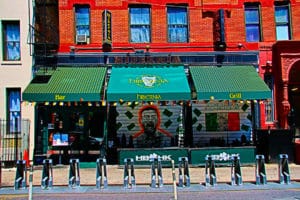
New York gives people almost too many choices at night. Rooftop bars promise skyline views, cocktail lounges chase novelty, wine bars trade on quiet sophistication, and every neighborhood has its own idea of what counts as a good evening. Yet for all that variety, the places people return to most often tend to share a simpler formula. They feel warm without being precious. They welcome groups and solo regulars with equal ease. They let a night develop naturally instead of forcing it into a script. That is where the appeal of an Irish Pub NYC experience really comes into focus.
A strong Irish pub setting does something many nightlife venues fail to do. It offers atmosphere without attitude. You do not need a reservation made two weeks ago, a dress code checked against the mirror, or a working knowledge of some ambitious seasonal cocktail menu. You walk in, claim a spot if you can, order https://zanderquzf219.hexaforgey.com/posts/irish-pub-nyc-spots-known-for-atmosphere-and-tradition a pint or whiskey or club soda, and the room starts doing its job. Conversation gets easier. Time stretches. Plans loosen up in the best way.
That matters in a city where so much daily life runs on pressure and pace. The perfect night out in New York is not always the flashiest one. More often, it is the one where everyone settles in, the setting carries part of the evening for you, and no one feels rushed to move along. A well-run Irish pub has a particular talent for creating that kind of night.
The room does more than look good
People often talk about ambiance as if it were just decor, but in a pub, ambiance is functional. It shapes behavior. A proper Irish pub setting in New York usually leans into dark wood, polished brass, worn stools, mirrors behind the bar, framed photos, old signage, and a layout that encourages people to stay awhile. None of that is accidental.
Dimmer lighting softens the room and lets people relax. Not so dim that you cannot read a menu, but low enough that nobody feels exposed. Wood absorbs some of the noise and visual sharpness that make modern bars feel cold. The best spaces also use scale well. Even a busy room can feel intimate when the bar is long, the ceiling is not too high, and there are corners where smaller groups can talk without shouting every sentence twice.
New Yorkers respond to this more than they sometimes admit. After a day of subway platforms, office fluorescents, sidewalk congestion, and screens, a pub feels like a reset. It replaces glare with warmth. It gives the eye something textured to land on. A banquette with a little wear on the leather, a bartop marked by years of use, the kind of mirror that has seen thousands of rounds ordered in front of it, these details suggest continuity. In a city obsessed with what is new, continuity can feel luxurious.
The setting also avoids a common nightlife problem, which is overdesign. Plenty of bars in New York are engineered for photographs before they are engineered for comfort. The Irish pub tradition, at its best, works the other way around. If a room photographs well, that is incidental. Its real purpose is to hold people comfortably for two hours, or four, without asking them to perform.
The soundtrack knows when to lead and when to get out of the way
Music can make or break a night out faster than the drinks menu. The mistake many venues make is treating volume as energy. Loud does not necessarily mean lively. It often just means exhausting. One reason the Irish Pub NYC setting works so well is that the soundtrack usually supports the room instead of overpowering it.
On an ordinary weeknight, music in a good pub creates movement without killing conversation. It might be traditional Irish folk, classic rock, familiar singalong tracks, or a smart mix shaped by the crowd. On weekends, especially later in the evening, a live musician or duo can change the whole room. The right performer understands how to read the bar. They know when to lift the energy, when to slow it down, and when to let the crowd carry the chorus.
That live element matters because it creates shared participation without the self-consciousness people often feel at trendier music venues. Nobody has to stand in a designated dance zone. Nobody has to pretend they came for a serious listening session. People can sing a little, laugh loudly, tap the table, and still keep their conversation going. It is communal without becoming chaotic.
There is also a practical side to this. When a room has live music or a strong but balanced playlist, awkward gaps disappear. That first ten minutes when half the group has arrived and the other half is texting that they are three stops away feels easier. A date that needs a little outside momentum gets it. Coworkers who do not know each other well enough for immediate deep conversation get some cover. The setting does social work for the people inside it.
A bar built for actual drinking, not just ordering
The drinks themselves are part of the story, but not always in the way people think. The best pub nights are rarely about showing off rare bottles or technical mixology. They are about confidence and consistency. A pint poured well, served at the right temperature, in the right glass, is not a small thing. It changes the pace of the evening. It encourages people to settle in instead of chasing the next order for novelty's sake.
Irish pubs generally excel at this kind of drinking because they are designed around repeat rounds. Beer, whiskey, simple mixed drinks, and dependable pours all have a place. The menu tends to be broad enough to serve a mixed group, but not so broad that it loses its identity. That balance matters in New York, where nights out often involve people with very different tastes. One person wants a stout, another a lager, another a neat Irish whiskey, another a gin and tonic, another no alcohol at all. A pub that can satisfy all five without fuss is already ahead.
The pace of service matters just as much as the menu. In a good Irish pub, bartenders often work with a brisk, experienced rhythm that feels attentive rather than theatrical. They remember orders. They spot who arrived next. They can chat when the bar is calm and move quickly when the room fills up. That kind of service has real influence over the night. If ordering feels smooth, people stay relaxed. If every round becomes a negotiation with a distracted staff or an overloaded bar station, the mood starts to fray.
Food plays a bigger role than many people expect. Pub fare done well extends the evening and broadens who wants to be there. A solid burger, shepherd's pie, fish and chips, curry fries, soda bread, or a properly satisfying sandwich can turn a meet-for-one-drink plan into a full night. It also solves the classic New York problem of momentum loss. Once a group leaves one place to find food, the night often splinters. If the food is in the building and genuinely worth ordering, the room keeps its hold.
It works for more than one kind of night
One of the strongest arguments for the Irish pub format is range. Some venues are excellent at exactly one thing. They are perfect for a first date but terrible for a birthday group, great for a business drink but lifeless after 10 p.m., fun on game day but forgettable the rest of the week. An Irish pub tends to handle multiple formats well, which is a major reason it so often becomes the default choice.
Think about how many different nights need different social mechanics. A first date needs enough energy to avoid awkward silence, but enough calm to hear each other speak. A group reunion needs a room where late arrivals can fold in easily. After-work drinks need no-fuss service and food that lands quickly. A celebration needs liveliness without making half the group feel too old, too underdressed, or too overdressed. The Irish pub setting covers all of that better than most concepts because it does not demand one fixed mode from guests.
I have seen this play out repeatedly in Manhattan, Brooklyn, and Queens. A pub near an office district fills early with colleagues loosening their ties and comparing train routes home. By eight, a few tables have turned over to couples and neighborhood regulars. By ten, the back of the room might be louder, with birthdays, old friends in town, or a spillover crowd from a nearby show. It is still one room, but it serves several versions of the city in a single evening. That flexibility is hard to manufacture.
Hospitality is visible here
There is a reason regulars matter so much in pub culture. Hospitality in a good pub is not abstract. You can see it happen. A bartender greets somebody by name. A server nudges two small tables together before being asked. Someone behind the bar notices a nearly empty glass and catches your eye at the right moment. The host finds space for four even though six people are waiting. These are not dramatic gestures, but they build trust fast.
In New York, where service can range from exceptional to indifferent within the same block, that trust is a major asset. It changes how a room feels. People are more forgiving of a crowd, a short wait, or a little noise when they sense the place is being run by professionals who care. A pub often benefits from a style of hospitality that is direct, warm, and lightly personal. Not invasive, not scripted, just human.
That style fits the city especially well. New Yorkers tend to appreciate service that is efficient and real. A polished but overly rehearsed approach can feel off. A good Irish pub often gets the tone exactly right. The staff can joke, move with urgency, and still make people feel looked after. That balance is part of the setting, even though it is not visible in the furniture.
The crowd is part of the design
No venue controls its crowd completely, but some formats attract healthier social mixes than others. A quality Irish pub tends to draw a broad age range and a wider variety of personalities than more narrowly branded nightlife spots. You may see office workers, couples, tourists, sports fans, neighborhood regulars, visiting family, and people having one quiet pint alone at the bar. That variety makes the room more stable.
When a bar depends on one very specific scene, the energy can turn brittle. If the crowd is too image-conscious, everyone becomes aware of being watched. If it is too young and rowdy, the room can become tiring fast. If it is too tightly local, newcomers may feel like they wandered into someone else's living room. The strongest pubs avoid these traps by creating a social middle ground. There is enough familiarity for comfort and enough turnover for freshness.
This is especially important in New York because plans rarely go exactly as intended. Groups grow. Friends bring friends. Someone's cousin is in town. A date goes well and turns into "should we stay for another?" The pub accommodates improvisation. That may be its most underrated strength.
Sports, celebrations, and the value of shared attention
An Irish pub becomes even more effective when there is a communal focal point. Sometimes that is live music. Sometimes it is a major sporting event. Sometimes it is simply the happy density of a Friday night crowd. Shared attention changes social energy in a useful way. It creates instant common ground among people who did not arrive together.
Sports in particular can make a pub feel electric without requiring extravagance. Televised soccer, rugby, Gaelic games, football, basketball, or playoff baseball can animate the room with a natural rhythm. People cheer, groan, look up together, and return to their conversations. That back-and-forth between collective focus and private talk is one of the most satisfying patterns a night out can have. It gives the evening shape.
There is an important caveat, though. Not every night benefits from a wall-to-wall sports crowd. If the goal is intimate conversation, a big match can overwhelm the room. The best pubs manage this by zoning the space well. Front bar for the game, side tables for quieter talk, dining area that stays a little more contained. When the layout supports different intentions, the venue earns repeat visits from different kinds of customers.
For birthdays and reunions, the shared-attention model works in a different way. The room itself helps host the event. There is enough background life that the group feels part of something bigger, yet enough familiarity that nobody gets lost in the crowd. Celebrations tend to feel more organic in a pub than in places that package every gathering as an event.
Why comfort keeps people out longer
One simple way to judge whether a setting creates a great night is to ask how long people stay after saying they are leaving soon. In a pub, "one more" often becomes true more than once. That is not only about alcohol. It is about comfort, logistics, and psychological ease.
Several practical factors contribute:
- Seating usually supports longer stays, whether at the bar, in booths, or at sturdy tables.
- The menu can carry people from drinks into dinner or late-night food without forcing a venue change.
- The social pressure is low, so people do not feel pushed to escalate the night or call it early.
- Ordering another round is easy, which keeps the flow intact.
- The room feels lived-in, not staged, so lingering does not feel like overstaying.
Those details sound basic, but they are surprisingly rare in a city where many bars optimize turnover or novelty over comfort. The pub does not need to invent urgency because it understands the value of duration. A good night out is not always measured by how many places you hit. Often it is measured by whether one place was strong enough to hold the night together.
The neighborhood effect
Part of what makes an Irish Pub NYC experience memorable is how strongly it reflects its surroundings while still keeping a recognizable identity. A pub in the Financial District may lean toward after-work energy and game-day crowds. One in the East Village might mix students, longtime locals, and late-night wanderers. In Midtown, the room may catch theatergoers, hotel guests, and office workers in one sweep. In parts of Brooklyn or Queens, neighborhood loyalty may define the place more than tourism ever does.
That adaptability matters because New York is not one nightlife market. It is dozens of them, stacked closely together. The Irish pub format travels well across those micro-markets because the core promise remains stable. You know you are likely to get warmth, sociability, decent food, and a drink list built for real preferences rather than passing trends. At the same time, each neighborhood pub picks up local habits. Some skew more family-friendly early in the evening. Some become music rooms at night. Some are known for brunch crowds and soccer mornings, others for late pints and industry regulars after midnight.
For people choosing where to go, this creates a useful confidence. You may not know every detail before walking in, but you know the general social contract. That lowers the risk of a disappointing night.
What separates a good pub from a forgettable one
Not every bar with Guinness signage and dark wood earns the reputation. The category can be imitated, and New Yorkers are quick to detect the difference between atmosphere and costume. A forgettable pub often gets one or two things wrong that ripple outward through the whole night.
Sometimes the room is decorated correctly but staffed weakly. Sometimes the beer program is thin or poorly maintained. Sometimes the music is mismatched to the space. Sometimes the food reads like an afterthought. More subtly, some places miss the emotional balance. They may be too tourist-oriented, too sports-heavy every night, too noisy for conversation, or too generic to feel rooted.
The places that stand out usually share a few less glamorous strengths. They pour consistently. They hire bartenders who can handle volume. They know when to turn the music up and when not to. They keep the room clean even when it is busy. They understand that hospitality is cumulative. Guests may forget the exact beer they ordered, but they remember whether the place felt easy.
That is where expertise shows. Running a successful pub in New York is not simple. Rent is high, staffing is difficult, and customer expectations shift constantly. Yet the enduring popularity of the format suggests that when operators get it right, they are tapping into something fundamental rather than trendy.
The city feels smaller inside a pub
One of the most appealing things about an Irish pub is that it can make New York feel briefly manageable. The city is thrilling partly because of its scale, but scale can also be exhausting. A good pub turns that vastness into a room you can understand. There is a bar, a few familiar forms of hospitality, a menu that makes sense, and a crowd participating in roughly the same social idea. For a few hours, the city narrows to something human-sized.
That does not mean the night becomes small. Often the opposite happens. Some of the best New York evenings begin with modest expectations, a couple of friends, a casual meet-up after work, an early date that might last one drink, a stop before heading elsewhere, and then expand because the setting allows them to. Another round arrives. Somebody orders food for the table. A song catches the room. A familiar face appears at the end of the bar. The plan dissolves, and the night gets better.
That is the real strength of the Irish Pub NYC setting. It does not force a perfect night out through spectacle or trend. It creates the conditions for one. Warmth, rhythm, comfort, generosity, and just enough unpredictability, all held together in a room designed for people to enjoy one another's company. In a city famous for excess choice, that kind of reliability feels almost rare. And it is exactly why people keep coming back.
Hibernia Bar
401 W 50th St
New York, NY 10019, United States
Phone: +1 212-969-9703
FAQ About Irish Pub NYC
What is the best Irish pub in NYC?
The best choice depends on your location and preferred atmosphere. Hibernia Bar is a neighborhood Irish pub in Hell's Kitchen offering Guinness, Irish whiskey, pub food, and sports viewing.
Where do Irish people go in NYC?
New York's Irish community gathers in many neighborhoods and venues. Hibernia Bar welcomes Irish expats, local residents, and visitors at 401 W 50th St, just off Ninth Avenue.
Where can I watch GAA games in New York?
Hibernia Bar lists GAA among the sports it shows. Call +1 212-969-9703 to confirm coverage and opening times for a particular match before visiting.
What is the difference between a bar and a sports bar?
A sports bar emphasizes televised games and a shared viewing atmosphere. Hibernia combines sports viewing with the food, drinks, and hospitality of a neighborhood Irish pub.