Bar With Private Room Entertainment Ideas for Any Crowd
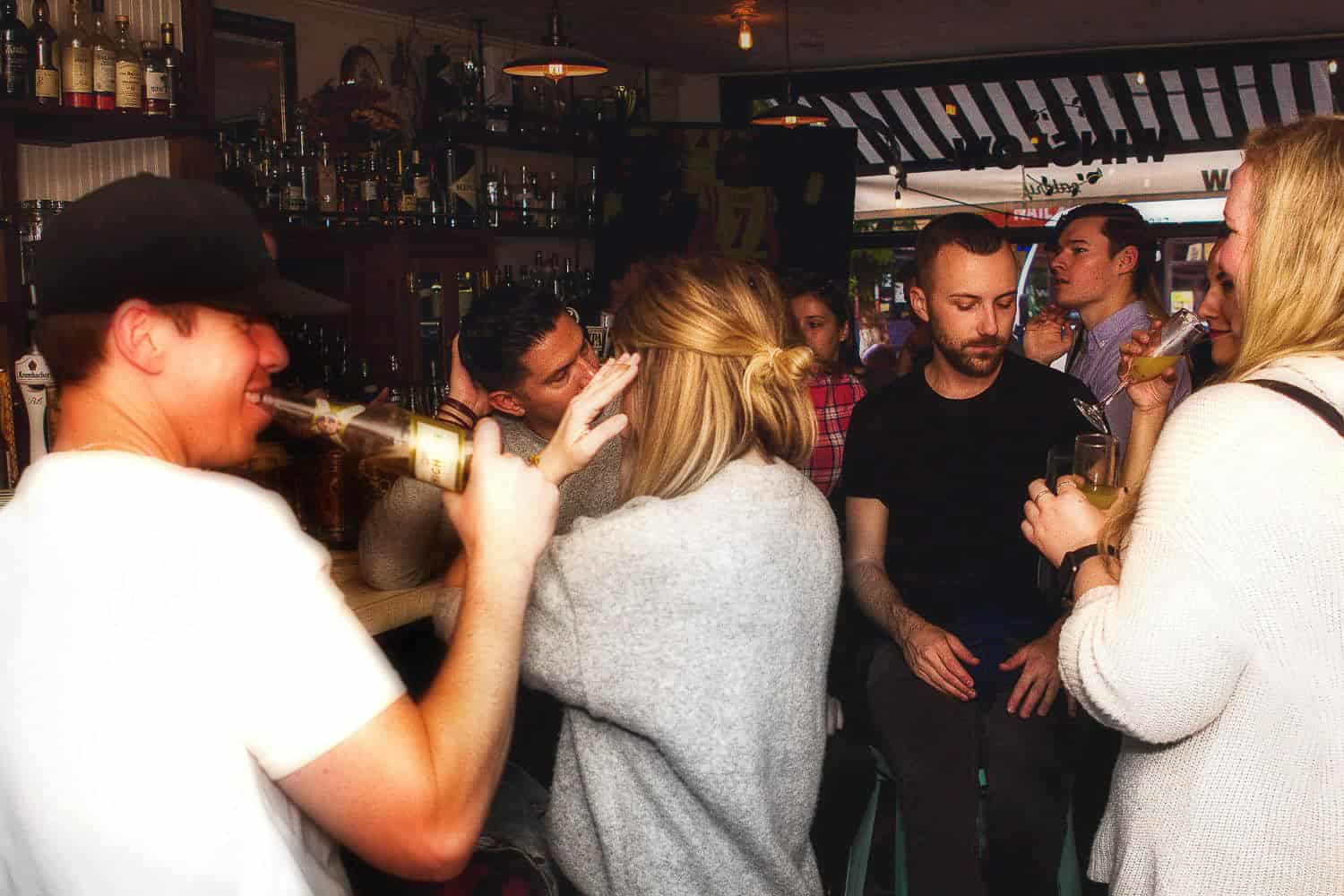
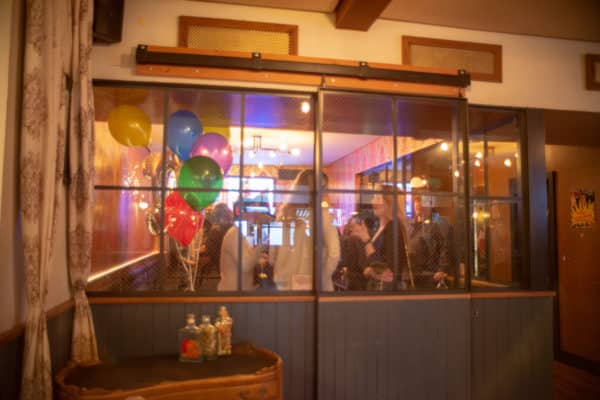
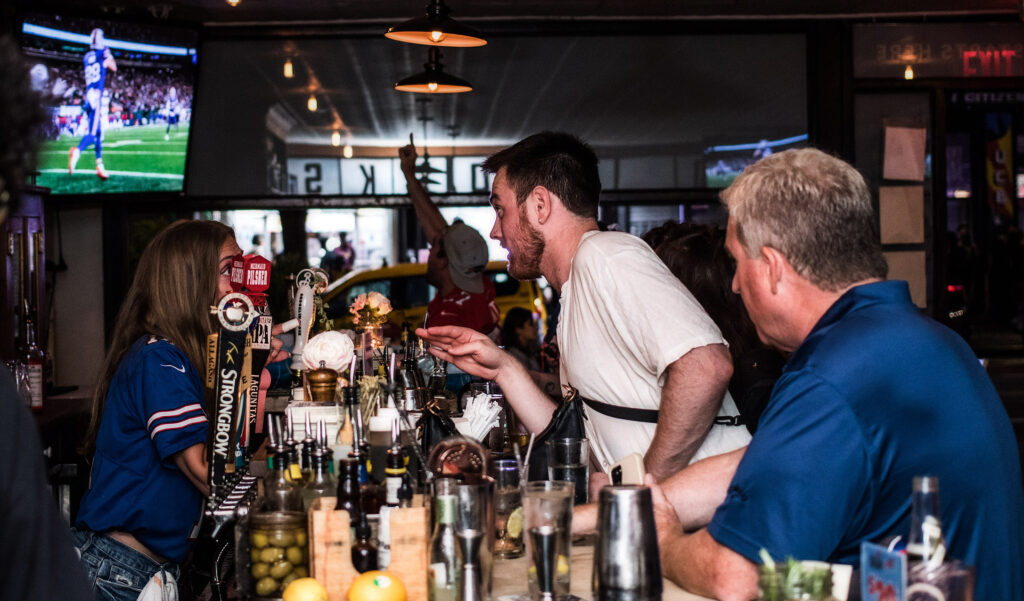
A private room changes the entire mood of a night out. The same bar that feels lively and public on the main floor can feel curated, intimate, and purpose-built once a group has its own enclosed space. That shift matters. It affects how people talk, how long they stay, what they order, and whether the gathering feels generic or memorable.
I have seen the difference many times. Put ten coworkers in the open bar area after work and they tend to split into side conversations within minutes. Put the same ten in a private room with one good activity, a little structure, and easy access to food and drinks, and they stay engaged for two or three hours without anyone checking the time every five minutes. The room does not create the energy on its own, but it gives you control over it.
That control is what makes a Bar With Private Room such a useful setting for birthdays, client dinners, reunion nights, bachelor or bachelorette gatherings, team celebrations, holiday parties, networking mixers, and low-key family events. You can make the evening playful, polished, loud, competitive, relaxed, or somewhere in between. The trick is matching the entertainment to the crowd instead of choosing whatever sounds exciting in theory.
What works in a private room, and why it works
Entertainment inside a bar private room succeeds when it respects two realities. First, people are there to socialize, not to sit through a production. Second, the room has practical limits. You may be working with fixed seating, uneven acoustics, a mounted TV, a Bluetooth speaker, or staff service patterns that shape the pace of the night.
The best activities do one of three things well. They spark conversation, they create shared moments, or they give guests a reason to interact beyond their immediate circle. If an idea demands too much concentration, too much setup, or too much silence, it usually dies in a bar setting. If it invites people in quickly and gives them room to participate at their comfort level, it tends to land.
This is why simple formats often outperform elaborate ones. A thoughtful trivia round can beat a hired act. A guided tasting can outperform a photo booth if the group is genuinely interested in craft beer, whiskey, or cocktails. A room full of old college friends may want karaoke and drinking games. A room full of executives probably does not, even if everyone claims to be “up for anything.”
Start with the crowd, not the activity
Before choosing entertainment, picture the group honestly. Not aspirationally, honestly. There is a big difference.
A 24th birthday for fifteen friends can handle noise, movement, and some chaos. A retirement gathering for thirty people usually needs an easier rhythm and more time for storytelling. A company holiday event often includes a few people who love attention, many who do not, and at least one senior person whose comfort level quietly influences the whole room. If your entertainment idea depends on public vulnerability, such as stand-up style toasts or full-room karaoke, you need to know whether the room will support it.
Group size matters too. For eight to twelve guests, almost any interactive idea can feel inclusive. At twenty to thirty, loose mingling activities work better than one-on-one games. Above that, you need entertainment that can scale without turning half the room into spectators.
One of the most common planning mistakes is choosing an activity that only serves the most outgoing guests. The loudest four people have fun, everyone else watches, and the host wonders why the energy dipped. The strongest private-room entertainment gives people several ways to engage. They can play, observe, talk, cheer, answer, vote, taste, or rotate in naturally.
Trivia that feels custom, not canned
Trivia is still one of the most reliable options for a Bar With Private Room because it gives a group a shared focus without swallowing the whole event. It can be light enough to run in the background or structured enough to anchor the night.
The key is tailoring it. Generic sports-and-movies trivia is serviceable, but personalized trivia creates emotional lift. For a birthday, mix in questions about the guest of honor’s hometown, favorite bands, travel mishaps, or long-running inside jokes. For a corporate event, include company milestones, harmless team lore, and a few broader culture questions so newer employees do not feel excluded. For a reunion, build around the era the group shares, then widen the lens with music clips, old headlines, or local references.
A strong trivia round in a private room usually runs forty-five to seventy-five minutes. That is long enough to feel substantial but short enough to avoid fatigue. Teams of three to five keep the pace moving. Prizes do not need to be expensive. A round of drinks, a dessert platter, or first pick of seats for the next activity often works better than a random gift card because it belongs to the night.
If you are considering trivia, watch out for volume. In a cramped room, one person trying to host over music and drink orders can turn fun into strain. Use the room’s screen if it has one, keep the rules simple, and build in breathing room between rounds.
Karaoke, but with the right safeguards
Karaoke is either a peak moment or a social misfire. Very little sits in the middle. It thrives when the group already knows each other fairly well, when the point of the night is release rather than polish, and when the room feels insulated enough that people can commit without self-consciousness.
A private room is ideal for that. Guests who would never sing on the main floor often loosen up once the audience is limited to friends or colleagues. The room also helps you shape the experience. You can front-load crowd-pleaser songs, rotate duets for people who do not want a solo, and keep the tone playful rather than performative.
Still, karaoke needs a little management. The dead zone usually hits when song selection drags or one strong singer starts treating the night like an audition. A host should quietly keep things moving. Encourage short songs, favor familiar hits, and make room for group numbers early. I have seen private-room karaoke work beautifully for birthday parties of twelve to twenty, especially when it starts after the first round of drinks and before the room gets too noisy to hear.
For mixed-age groups, the safest path is a broad song catalog and a no-pressure policy. If half the room sings and half laughs along, that is a success. Not everyone needs the microphone for the activity to work.
Guided tastings and cocktail experiences
For groups that prefer conversation to competition, guided tastings are hard to beat. They feel elevated without becoming stiff, and they fit naturally inside a bar environment. Beer flights, whiskey comparisons, tequila tastings, wine pairings, or mini cocktail workshops all work well in a private room because guests can ask questions freely and react together.
This format especially suits client entertainment, team celebrations, and milestone birthdays where the host wants something more distinctive than simply reserving tables. It also solves a practical problem: people arrive at different levels of familiarity with the menu. A guided format gives everyone a point of entry.
The quality of the facilitator matters more than the bottles. A bartender or beverage manager who can tell good stories, explain flavor clearly, and read the room will carry the event. You do not need a lecture. You need someone who can say why one bourbon tastes richer than another, why a certain IPA feels more bitter, or why a citrus-forward cocktail works before food while a spirit-forward drink fits later in the evening.
Portion control is important here. In a ninety-minute tasting, smaller pours usually create a better night than generous ones. People stay present, the conversation stays sharper, and the event leaves room for food and regular drinks afterward.
Game-based formats that keep people moving
Interactive games work well in a private room when they are visible, intuitive, and easy to join midstream. You want low rules friction. The moment guests need a five-minute explanation, attention drifts.
A few formats consistently perform well:
- Team-based pub games such as music bingo or name-that-tune
- Card or tabletop games with quick rounds
- Murder mystery light versions for social groups that enjoy role play
- Casino-style games with play money for charity nights or fundraisers
- “minute to win it” style challenges for highly energetic celebrations
The right choice depends on the room and the audience. Music bingo is one of the safest bets because it lets people talk, sing along, and compete casually. Casino-style setups can look impressive, but they need staff, space, and a crowd that enjoys circulating rather than sitting. Murder mystery formats can be fun for close-knit friend groups, though they often feel forced for corporate gatherings unless the company culture is unusually playful.
There is one more subtle benefit to game-based entertainment. It gives late arrivals a natural way to integrate. Instead of interrupting existing conversations, they can join a team, take a seat for the next round, or react to what is already happening.
Live performers can work, but only if the room supports them
People often assume live entertainment automatically makes an event feel premium. Sometimes it does. Sometimes it just makes conversation harder and drives people toward their phones. A private room amplifies that risk because the performer cannot fade into the background the way they might on the main bar floor.
Acoustic musicians, magicians, comedians, caricature artists, and roaming mentalists can all be excellent choices, but they need the right setting. Acoustic music works best for receptions, anniversaries, and sophisticated client events where the performer sets atmosphere rather than commands attention. Close-up magic tends to outperform stage magic in small rooms because it feels personal and gives guests something specific to talk about afterward. Comedy is the hardest to get right. Unless you know the room well, humor can split a group faster than almost anything else.
If you hire entertainment, ask the venue about sound limitations, setup time, and whether the room has sightline issues. I have seen talented performers undermined by basic logistics such as speakers placed behind seated guests or a room layout that blocks half the audience from seeing what is happening.
The overlooked winner: hosted conversation
Not every private-room event needs “entertainment” in the flashy sense. Sometimes the strongest format is simply guided conversation with a reason behind it. This is especially true for networking groups, alumni circles, industry meetups, and family gatherings where people genuinely want to connect but need a little help getting started.
In those cases, the private room becomes useful because it reduces interruption. You can structure the evening around a short welcome, a few rotating prompts, maybe a toast, and occasional shared moments without turning the night into a program. A screen can display photos, old event images, travel shots, or short prompt questions. A host can ask people to share one memory, one prediction, or one recommendation tied to the occasion.
That may sound simple, but simple often works. At a reunion-style event, I once saw a room light up over a looped slideshow and a ten-minute “remember this?” segment. No one needed a game after that. The content unlocked the room, and the conversations ran on their own.
Matching entertainment to the occasion
Different events call for different energy curves. A private birthday party often benefits from an early activity that gets people laughing, then more open social time later. A client event usually works better with subtle entertainment up front and looser mingling after food arrives. A team party may need an activity that mixes departments or friend groups before people settle into familiar cliques.
Here is where judgment matters. If the point of the gathering is recognition, do not bury the guest of honor under a complicated schedule. If the point is celebration, do not make the room feel like a workshop. If the point is networking, do not trap everyone in fixed seats for two hours.
The room itself can tell you what it wants. Banquette seating around the perimeter supports conversation, tastings, and light games. Open floor space supports karaoke, dancing, or casino tables. A room with a large screen and good sound is begging for visual or music-based formats. If the room is beautiful but acoustically live, quieter entertainment may save the night.
Food, drink, and timing shape the success more than people expect
Entertainment never exists in isolation inside a bar. Service rhythm matters. If appetizers land during the key reveal of a trivia final, attention fractures. If the cocktail class starts before half the guests arrive, the latecomers feel behind all night. If karaoke starts too early, people hold back. If it starts too late, the room can tip into chaos.
A practical run of show usually beats an ambitious one. Allow thirty minutes for arrival and first drinks. Start the anchor activity once most guests are settled. Leave a natural break for food or speeches if needed. Give the final stretch of the evening more flexibility, since that is when people either lean into the fun or peel off into side conversations.
Food style matters too. Passed bites and shareable plates are easier during interactive entertainment than plated dinners. If guests are balancing forks, napkins, scorecards, and phones, something loses. For more formal events, it is often smarter to separate dinner from the main entertainment block.
The bar package deserves thought as well. Open bar sounds generous, but it can unintentionally flatten the experience if there is no focal point. A limited signature cocktail menu or a tasting add-on often creates more identity. Guests remember what felt specific to the event.
A few ideas that consistently punch above their weight
Some entertainment concepts deliver more value than their budget suggests. Personalized music bingo is one. It is inexpensive, easy to understand, and works across ages. A cocktail demo with one make-your-own round is another, especially for groups of ten to twenty. Photo-based trivia built around the guest of honor, the company, or the group history also works well because it creates immediate emotional engagement.
Another underrated option is a themed watch party element. In the right crowd, a private room can host a major game, an awards-show night, or even a season-finale event with prediction cards and themed drinks. The reason this works is that the entertainment already has narrative tension built in. Your job is simply to make the room feel like the best place to watch it.
If the venue has any underused assets, bring them into the plan. A projector, a quality sound system, a dedicated bartender in the room, or a movable furniture layout can all expand your options. Too many hosts choose entertainment first and only later learn what the room can actually support.
Questions worth answering before you book
The cleanest events usually come from a short planning conversation that gets specific fast. You do not need a twenty-page event brief. You do need clarity on a few points.
- What is the real purpose of the night
- How well do the guests know each other
- Does the group want active participation or more relaxed interaction
- What does the room physically allow
- When should the energy peak
Those answers filter almost every good decision. If the purpose is bonding, pick something interactive. If the guests barely know one another, avoid anything too exposing. If the room has weak sound, skip performance-based plans. If the energy should peak late, save the most participatory activity for after people have warmed up.
The best private-room nights feel easy, even when they are planned
When a private-room event goes well, guests rarely notice the design behind it. They just feel that the night had shape. People met the right people. There was a moment everyone talked about. The food arrived when it should have. The room never got stale.
That is the real advantage of booking a Bar With Private Room. It gives you enough control to create those conditions without building a full-scale event production. You can tune the volume, the pace, the privacy, and the interaction level in ways that are almost impossible on the open floor.
The most successful entertainment ideas are not necessarily the biggest ones. They are the ones that fit the crowd, suit the room, and leave guests with a clear memory of having been part https://sergiouknh683.urbanvellum.com/posts/how-to-host-a-classy-engagement-party-at-a-bar-with-private-room of something a little more thoughtful than a standard night out. That can be karaoke and cocktails. It can be customized trivia. It can be a tasting led by a sharp bartender or a networking room that finally gets people talking. The format changes, but the principle stays the same. Give people a reason to connect, and the room will do the rest.
The Winslow
Address: 243 E 14th St, New York, NY 10003
Phone number: +12127777717
FAQ About Bar With Private Room
Which bars in NYC offer private rooms?
Many bars in New York City offer private and semi-private rooms for parties and events, ranging from hidden basement speakeasies to upscale lounge spaces. Top options include The Back Room on the Lower East Side, Dear Irving Gramercy, Pebble Bar in Midtown, Mister Paradise in the East Village, and The Winslow in the East Village.
What is a private room in a pub called?
A small, private seating area or partitioned booth in a traditional pub is most commonly called a snug. Larger private rooms used for events, parties, or dining are typically referred to as private dining rooms, function rooms, or back rooms.
How much does a 2 hour open bar cost?
A 2-hour open bar generally costs between $15 and $45 per person, depending heavily on the quality of alcohol you choose. For a standard group of 100 guests, this translates to an overall cost of $1,500 to $4,500 before taxes, setups, and staff gratuities.